DIY Bookkeeping Tips for Small Businesses in Spanish Fork
Running a small business in Spanish Fork comes with its own unique set of challenges, and managing finances is often at the top of the list. Effective bookkeeping is crucial for the success of any business, but not every small business owner can afford to hire a professional accountant. Fortunately, with some DIY bookkeeping tips, you can keep your finances in check.
Organize Your Financial Documents
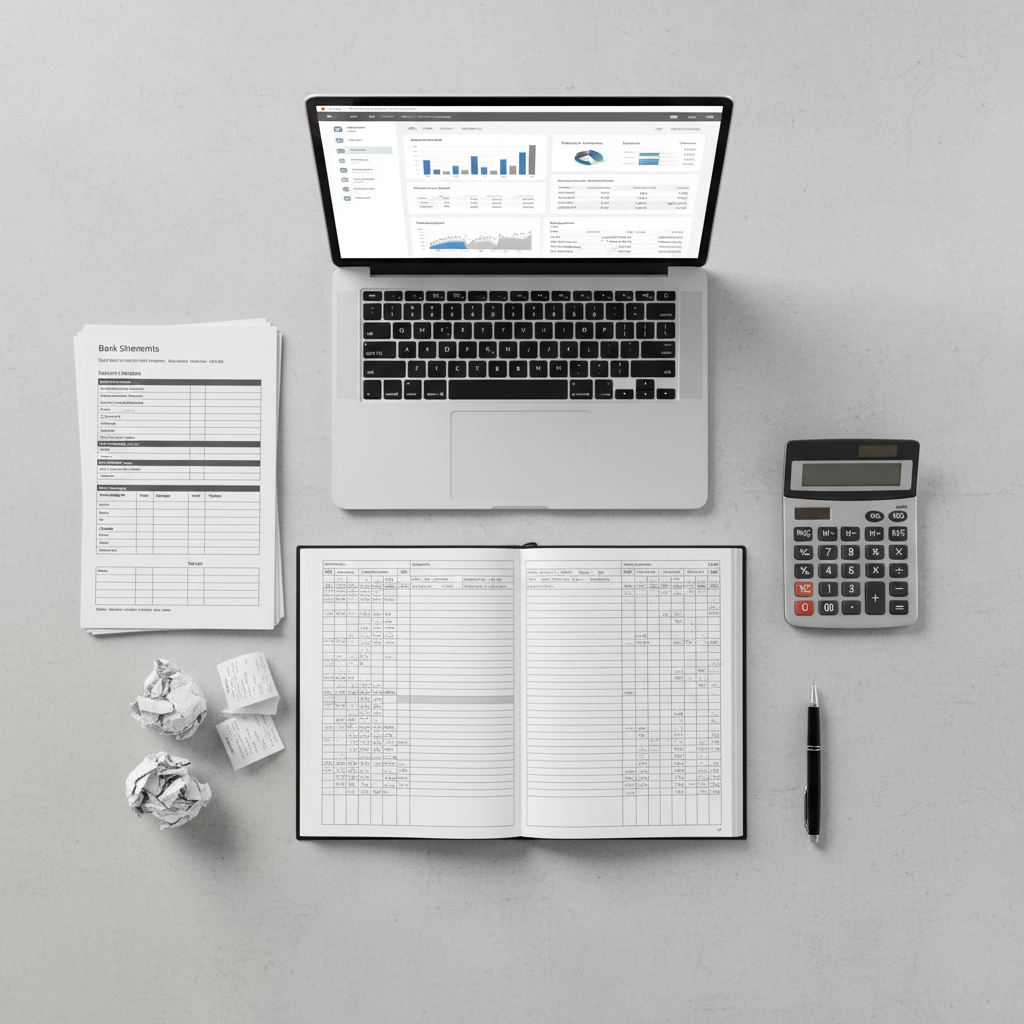
One of the first steps in effective bookkeeping is organizing your financial documents. This includes invoices, receipts, bank statements, and any other financial records. Consider using digital tools to scan and store these documents, making them easily accessible and reducing physical clutter.
Invest in a filing system that categorizes documents by type and date. This will make it easier to retrieve information when needed, whether for tax purposes or financial analysis.
Use Accounting Software
Gone are the days when bookkeeping required manual entry in ledgers. Today, accounting software can automate many tasks, saving you time and reducing the risk of errors. Popular options include QuickBooks, Xero, and FreshBooks. These tools can handle invoicing, track expenses, and generate reports.
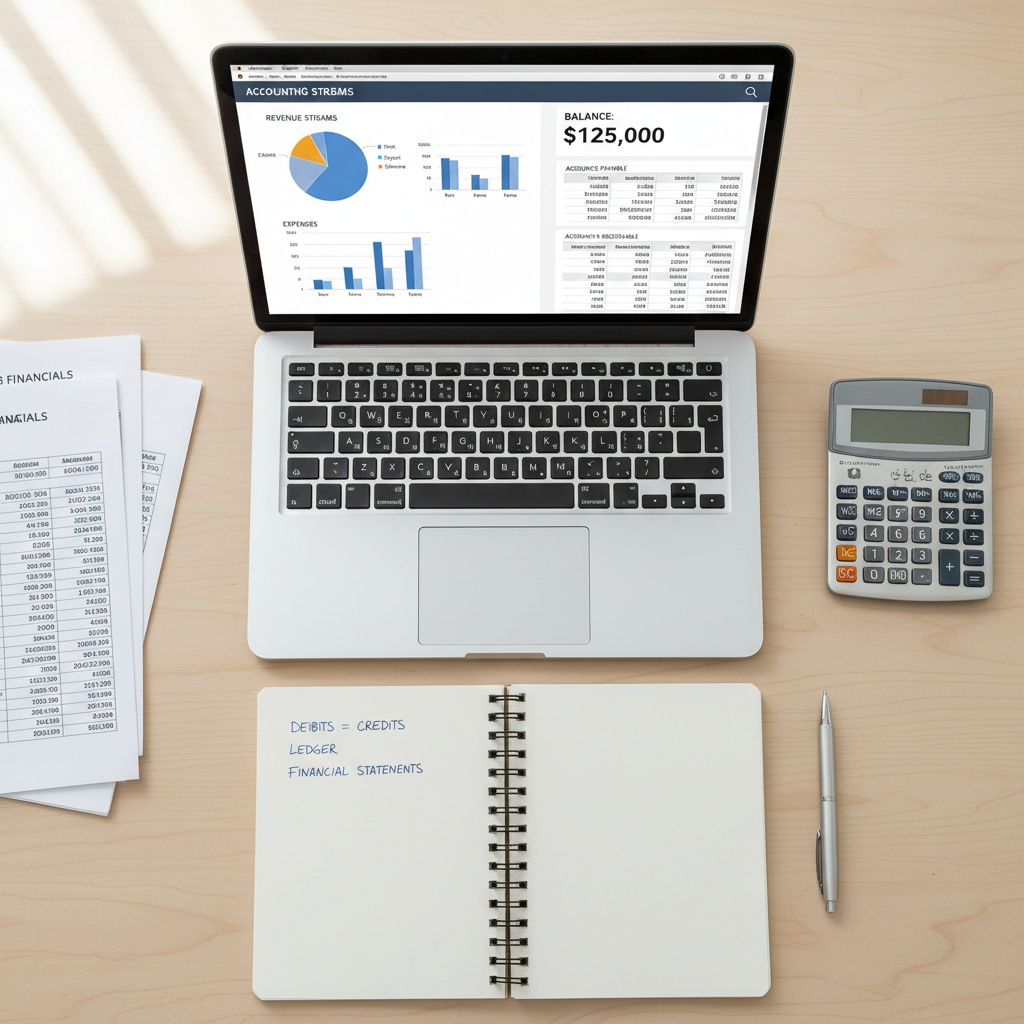
When choosing software, consider the specific needs of your business and how user-friendly the interface is. A tool that integrates with your bank accounts can streamline the process even further.
Regularly Reconcile Your Accounts
Reconciling your accounts involves comparing your financial records against your bank statements to ensure consistency. This should be done regularly—ideally monthly—to catch any discrepancies early on. Regular reconciliation can prevent significant issues down the line and keep your financial data accurate.
Set a routine for reconciliation and stick to it. This habit will provide you with a clear picture of your financial standing at any given time.
Track Your Expenses
Keeping a close eye on your expenses is crucial for maintaining a healthy cash flow. Categorize expenses as they occur and use your accounting software to track them. This will help you identify patterns and areas where you might be able to cut costs.
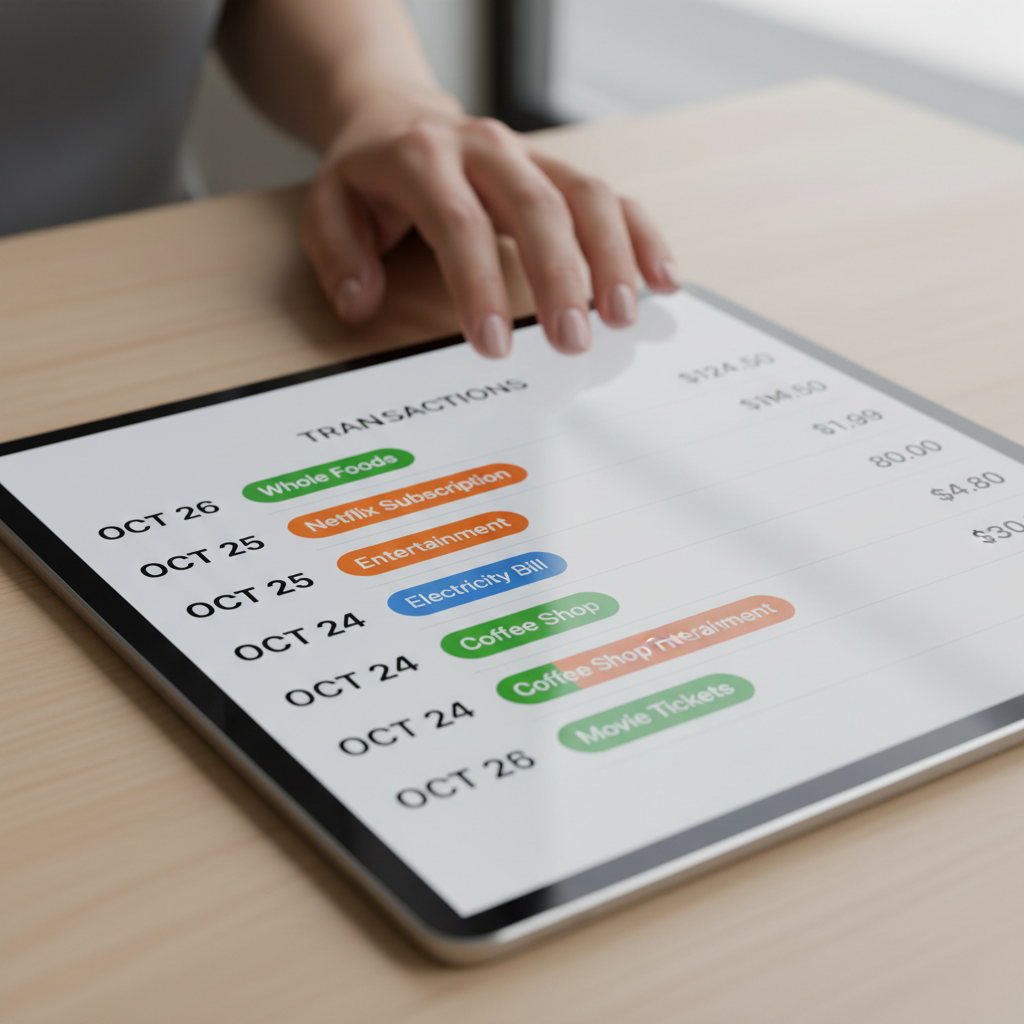
Regularly review your expense reports to ensure all transactions are recorded accurately. This practice will also simplify the process when tax season arrives.
Plan for Taxes
Taxes can be a daunting aspect of running a business, but proper planning can ease the burden. Keep track of deductible expenses and set aside a portion of your income for tax payments. This foresight can prevent cash flow issues when taxes are due.
Consider consulting with a tax professional periodically to ensure compliance with local and federal regulations and to maximize your deductions.
Monitor Cash Flow
Understanding your cash flow is essential for making informed business decisions. Regularly review your cash flow statements to understand how money moves in and out of your business. This will help you plan for upcoming expenses and identify any financial trends.
By maintaining a solid grasp on your cash flow, you can make strategic decisions that contribute to the growth and stability of your business.